No grounds for optimism on Belarus repressions — UN Special Rapporteur

Nils Muižnieks / Scanpix/AP
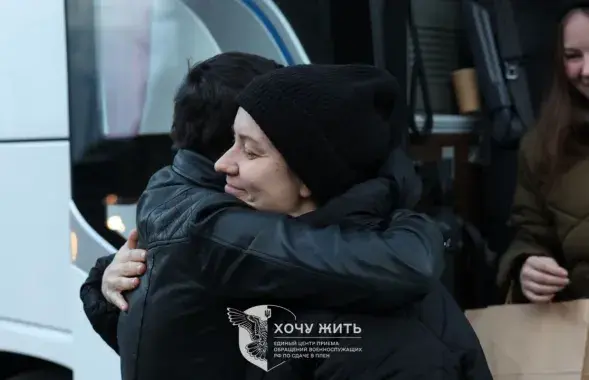
There has been no change in the practice of political repression in Belarus, leaving no grounds for excessive optimism. This was stated by the UN Special Rapporteur on Belarus, Nils Muižnieks, commenting on the release of 123 prisoners on December 13.
“Many of those released—politicians, human rights defenders, journalists, lawyers, trade union activists, and civil society representatives—were convicted without a fair trial for their professional work or for exercising their civil and political rights. The releases were accompanied by deportations to other countries, while those who remained in Belarus face strict surveillance and are deprived of the opportunity to return to the qualified labor market,” the UN Special Rapporteur emphasized.
He recalled that amid the release of political prisoners, Lukashenko’s regime continues arrests and politically motivated persecution. According to human rights defenders, there are more than 1,100 political prisoners in the country—one of the highest numbers per capita in the world.
Muižnieks noted that state media portray these releases as “pardons,” but Mikalai Statkevich, who refused to leave the country, was rearrested and imprisoned again. New criminal cases have also been opened in absentia against some other recently released individuals.
In some cases, those deported were nearing the end of their sentences or had already served them, but their detention was arbitrarily extended under Article 411 of the Criminal Code for “malicious disobedience to the administration of a correctional facility.” UN experts have repeatedly criticized this provision.
The Special Rapporteur stressed that political prisoners are separated from their families and expelled from the country without means of subsistence, and in some cases without documents. “Returning to Belarus would mean new criminal charges and imprisonment for them. This is not a pardon, but forced exile,” he pointed out.
In the UN Special Rapporteur’s view, there are no signs of changes in the policy or practice of repression by the Belarusian authorities. Normalization can only be discussed after the release of all political prisoners, the safe return of exiles, their ability to work and express themselves freely, and accountability for those responsible for serious human rights violations.