“Iranians Are Hostages — But the Regime Is No Longer Safe Either”

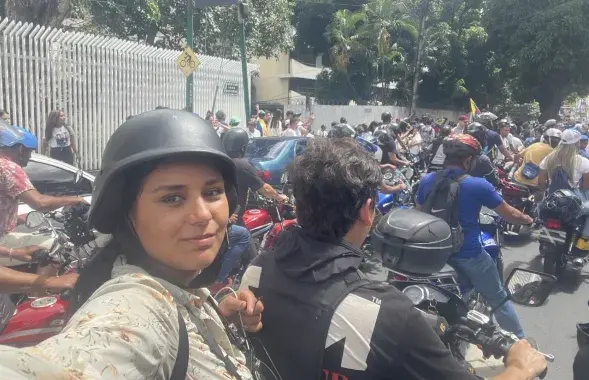
Protests in Iran / ABACA / Mahsa / Middle East Images
For about two weeks, Iranians have refrained from taking to the streets while authorities have imposed an unofficial curfew. After 6 p.m., only security patrols are allowed outside.
Simultaneously, the internet in the country remains blocked, making it difficult to obtain information about the situation.
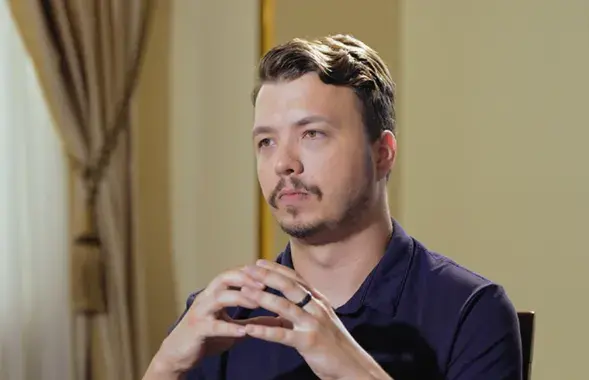
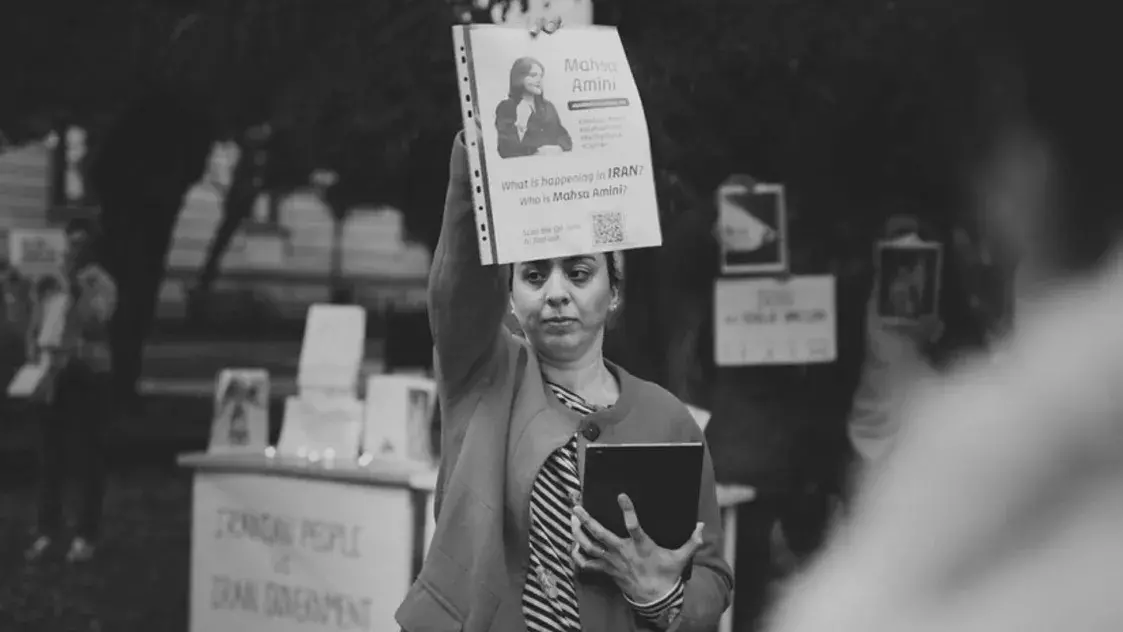
Across many European cities, demonstrations in support of Iranian protesters are taking place. In Warsaw, one such protest was attended by 37-year-old Touska Gholami Khaljiri — an Iranian woman living in Poland since 2018. According to her observations, during the most recent rally, far fewer Iranians hid their faces out of fear of reprisals against their relatives back home.
“Because now they should be afraid of us, not the other way around,” Touska told Euroradio. “We protested in front of the Iranian embassy in Warsaw. People openly chanted ‘Death to Khamenei,’ ‘Javid Shah’ [‘Long live the King’ — Euroradio], ‘Woman, Life, Freedom.’ I couldn’t have imagined this even three years ago.
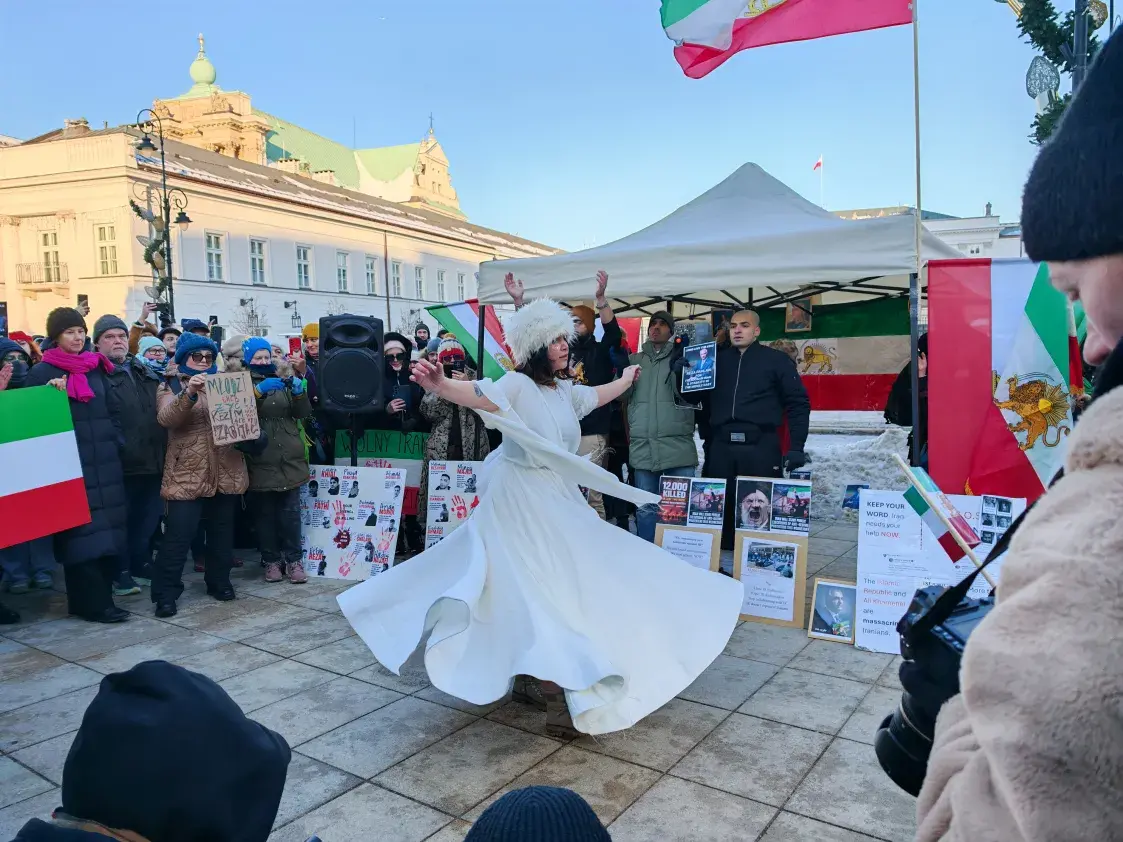
“And I said to my husband: what do we have to lose? The only thing this embassy does is renew passports. Will they say they won’t do that anymore?”
Euroradio notes that this is exactly what the Belarusian authorities did a couple of years ago. Touska is aware of this — she has Belarusian friends in Poland. In conversation with her, we note how much our experiences have in common and how much brutality the people of Iran have faced at the beginning of 2026.
In Exile
In Iran, Touska worked in an NGO focusing on women’s and children’s rights.
“We taught children how to protect themselves from violence, including sexual violence. We held workshops for them, and for some time, everything was going well. But then the authorities shut the organization down, and everyone connected to it was interrogated. So you could say that some things work, and some don’t — and every year it gets worse.”
After that, all of Touska’s friends who remained in the country faced state pressure and ceased their activities. Now she observes fewer active NGOs in Iran.
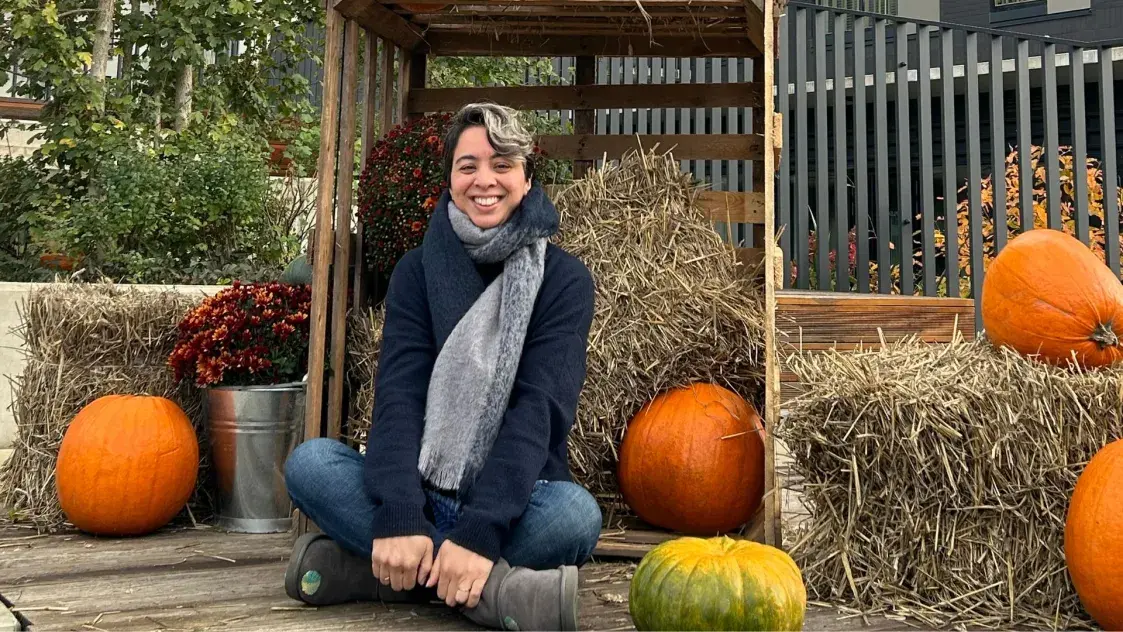
Before emigrating, Iranian authorities arrested her husband over his activity on Twitter and even confiscated his account.
Leaving to study is the most accessible way for Iranians to emigrate — but even that has become increasingly difficult. Often, this is due to the closure of diplomatic missions during heightened conflict periods in the country, leading to postponed visa interviews or language exams.
“They Have Less Than a Minute to Say They Are Alive”
The protests in Iran began with a strike by business owners amid rising inflation and a sharp devaluation of the national currency, but soon spread across all layers of society.
Touska constantly communicates with friends living in different regions of Iran — well, “constantly” only when one of the many VPN services on her phone manages to work. Through them, she learns what is happening inside the country.
“One friend told me that some grocery stores are still open, but mostly bazaars, markets, everything related to gold and currency — all of that is closed. If you have a business and stay open, they come and demand that you close after six in the evening.
“Another friend said that in some districts of Mashhad [in the northeast of the country], cars with loudspeakers drive through the streets, urging people to stay home and not go outside.”
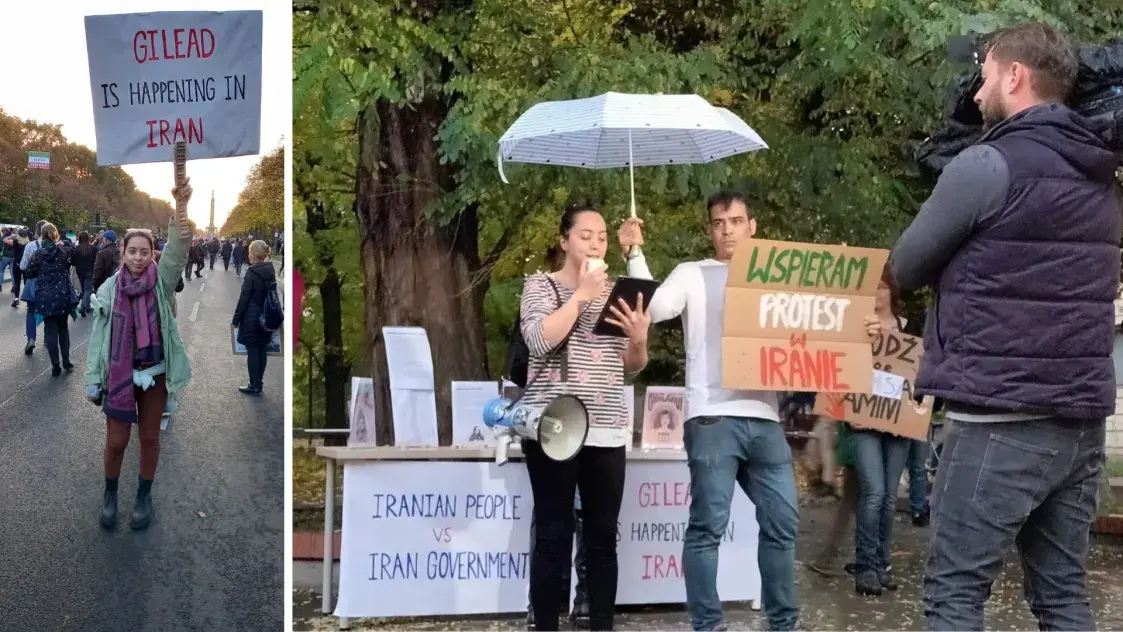
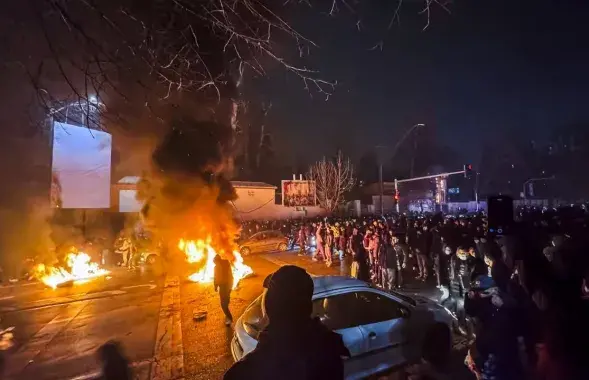
But beyond the number of participants, the winter protests were also marked by the scale of violence from the authorities.
“My friend’s cousin was wounded while trying to run away — first he was hit in the eye by two rubber bullets. They took him to the hospital, and she said doctors were breaking the rules, registering people under fake names, trying to help and discharge them as quickly as possible.
“She saw many bodies of those who had been killed that night. The hospital couldn’t even release them, and toward the end of the night, armed forces came and took the bodies away. Families are later forced to pay for the ‘bullets’ to receive their relatives’ bodies.
“What shocked me most was that on Thursday night there was blood everywhere, and already by Friday morning, around 9 or 10 a.m., when people came back out into the streets, everything was cleaned up: broken glass collected, blood washed away, and surveillance cameras that had been smashed the night before were already replaced with new ones.
“But everything was organized: we knew where to go, where to gather, what to do. This time everyone was everywhere — people gathered even in small neighborhoods and distant streets.”
The Role of Reza Pahlavi
During these demonstrations, according to Touska’s observations, only one political figure publicly called on people to take to the streets — Reza Pahlavi, the heir of the overthrown Iranian monarchy. This occurred on the hottest days, January 8 and 9.
Touska believes Pahlavi played a significant role in this movement and bears responsibility for it. According to her, a large portion of people began supporting him, and his call mattered.
At the same time, protesters can be roughly divided into three groups based on their views.
Among Pahlavi’s supporters are those who favor a monarchy, those who support a republic but see him as a transitional leader, and those who do not support him.
“I asked friends: what did you hear in the streets? They said most often the slogans were ‘Death to the dictator,’ ‘Death to Khamenei.’ But along with that, they also shouted, ‘This is the final battle, Pahlavi is coming back.’
“I think that’s because Iranians have an example to look back on: before the Islamic Revolution of 1979, his father was in power. And of course, it wasn’t perfect then either — that’s why people began protesting. But now many think that maybe that was a time for reforms, not revolution.
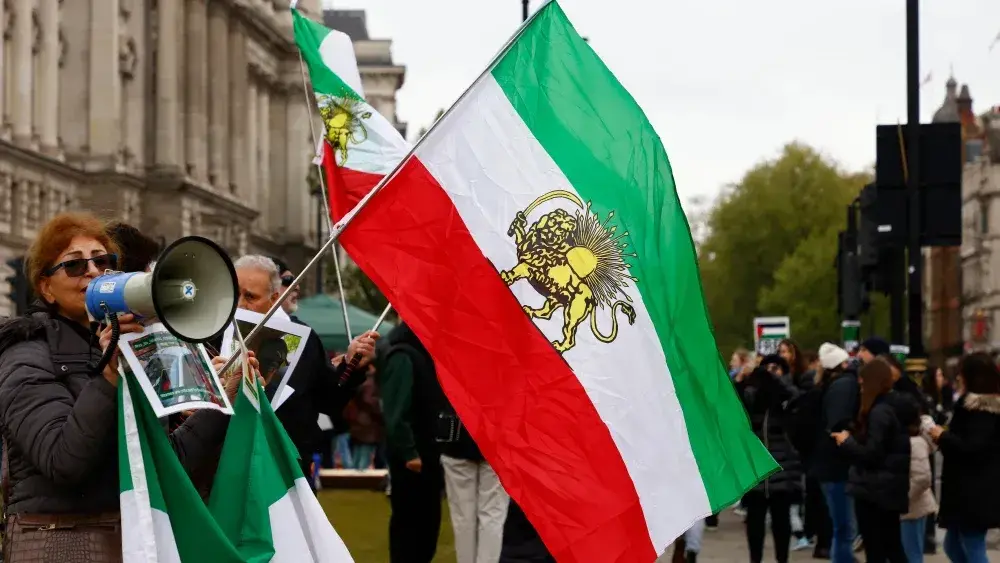
“People have a past they can reflect on. They see that women got the right to vote even earlier than in Switzerland, that Iran’s top universities were full of female students, that there was no mandatory hijab, and that women held high positions in organizations and government.
“Iran was open to the world. We traded with other countries, and many tourists came to us. I think that’s why people now chant his name.”
There are no supporters of Khamenei in Touska’s circle, but she reasonably notes: “If the regime had no supporters, then who would be holding weapons and killing people?”
“In my personal belief, most of Iran’s population are hostages of an armed minority.”
“We Tried So Hard to Follow a Peaceful, Civic Path. And It Didn’t Work”
The risk remains very high that the United States could strike Iran. For residents of the country, this is an extremely sensitive issue. When Touska asked her relatives about it, there were both those who opposed it and those who asked for help. In the latter case, it’s important to understand why.
“The Iranian people have been trying for 47 years in different ways to deal with this terrible regime. At first, people tried through protests, political activism, and different parties. And what was the authorities’ response? Executions, prisons.
“Then, in the 1990s, Iranians elected a reformist president who spoke about dialogue between civilizations, human rights, and so on. He won the election with 21 million votes — a record number for a president after the revolution.
“I was a teenager then, and I remember how hopeful we were — thinking that these harsh restrictions in media, newspapers, publishing, and everything else would be lifted, that we would be able to read more and that women would have more freedoms.
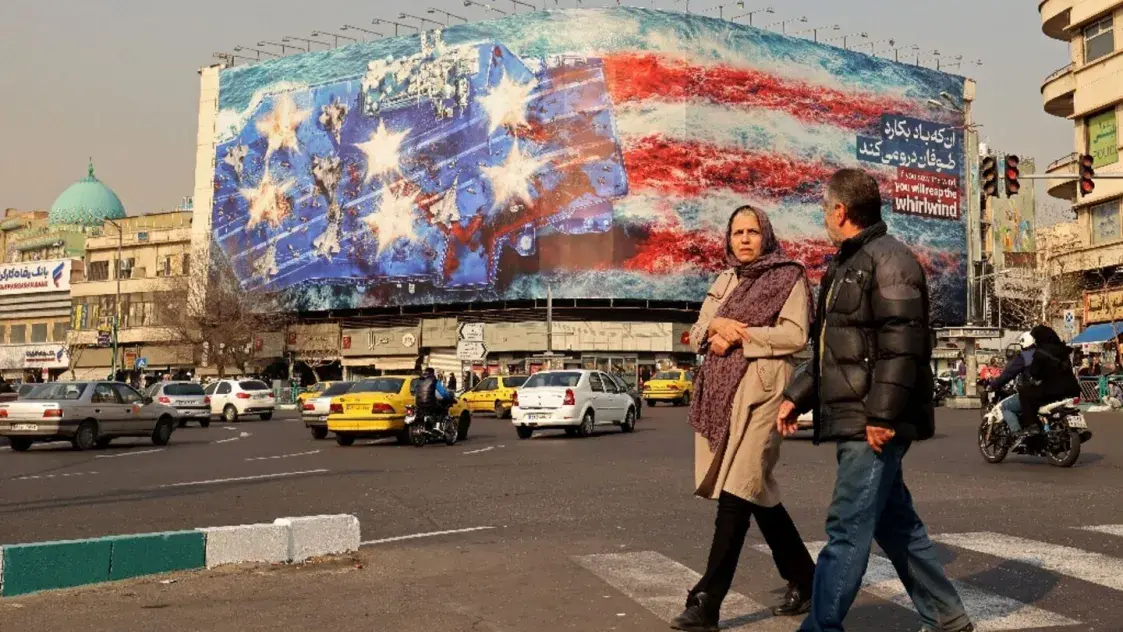
“And it was precisely during that time that the authorities began killing many activists, writers, and poets from the opposition — right in their homes, in the most brutal ways. This is referred to as the ‘serial murders of the 1990s.’
Toska says this repeated itself in different decades: people voted for reformers who turned out not to be reformers. People protested, and they were crushed again.
“We voted so many times. We tried so hard to follow a peaceful, civic path. And it didn’t work.
“And now they killed tens of thousands of people in two days and carried out a bloody massacre in the streets. Iran is occupied by a regime the people do not want and cannot fight with empty hands.”
At the same time, Touska says Iranians understand that the U.S. would demand something in return for its help.
“They say the U.S. comes for oil — fine. We already don’t have normal trade. We want to open the market to everyone.
“For 47 years, this regime has been stealing our oil, selling it cheaply to China, and the people never benefited from it. What did we get from that?
“The protests ended because civil disobedience continued. But now everything has changed. People are directly demanding regime change. They can no longer afford to live like this, and the government can no longer control the situation.
“I see it as if this regime is hanging by the thinnest thread. And it can break at any moment. If not today — then in a month.
“In March comes the Iranian New Year. Usually, people buy new clothes, travel; we have two weeks of holidays. We gather with families, set tables with food, fruits, nuts — and prices are insane now. Most people won’t be able to afford it.
“So this story isn’t over. The streets are quiet now — but that doesn’t mean it’s finished. It’s like embers under the ashes: one spark, and everything will flare up again.
“My people are not safe. They are hostages. But the regime is no longer safe either.”